


In an era of increasingly volatile cross-border trade, the Canadian government has moved to fortify the nation’s industrial backbone. Industry Minister Mélanie Joly announced on Monday a new C$1 billion ($734.65 million) loan program specifically designed to support domestic industries grappling with the weight of U.S. tariffs.
For executives and decision-makers in the manufacturing and export sectors, this initiative represents a critical liquidity lifeline and a strategic tool for maintaining competitiveness in a protectionist climate.
Targeting the Core: Steel, Aluminum, and Copper
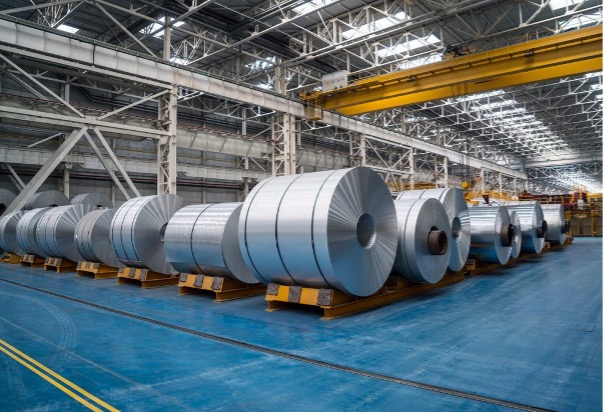
The new program is tailored for companies that manufacture and export products containing steel, aluminum, or copper. These sectors have been on the front lines of trade friction since the U.S. administration imposed tariffs on imports including metals, automotive parts, and lumber.

Minister Joly emphasized that these sectors are not just economic drivers but are fundamental to national security. “The steel, aluminum, and copper sectors are key… to our economy, key to our manufacturing sector, but also key to our sovereignty,” Joly stated during a press conference in Ottawa.
The Financial Logistics: What Decision-Makers Need to Know
Managed through the Business Development Bank of Canada (BDC), the program is structured to provide flexible capital to mid-sized players and large-scale manufacturers. Key details include:
- Loan Amounts: Between C$2 million and C$5 million per entity.
- Terms: Loans will be offered on “favorable terms” to ensure debt serviceability despite market volatility.
- Duration: The disbursement period is set over a three-year window, allowing for long-term operational planning.
Beyond Metals: A C$500 Million Regional Safety Net
Recognizing that the ripple effects of tariffs extend beyond heavy industry, the government also announced an additional C$500 million in funding for regional development agencies.
This capital is part of the Regional Tariff Response Initiative, designed to support a broader spectrum of sectors—from forestry to niche manufacturing—that have seen their margins squeezed by trade barriers. This fund aims to help businesses diversify their markets and innovate their production processes to offset tariff costs.
A Broader Strategy for Industrial Stability
This C$1.5 billion injection is the latest layer in Canada’s multi-pronged response to trade instability. It complements previous measures, including:
- A C$5 billion tariff response fund.
- National re-skilling programs for displaced or impacted workers.
- Low freight rates for the domestic transportation of steel and lumber.
- Directives to prioritize Canadian-made steel and aluminum in infrastructure projects.
Managerial Takeaway: The Path Forward
For C-suite executives and supply chain managers, this announcement signals a window of opportunity to shore up balance sheets.
- Assess Liquidity Needs: With loans available up to C$5 million, firms should evaluate capital expenditure projects that were sidelined due to tariff-induced margin compression.
- Consult the BDC: As the primary lender for this program, the BDC will be the gatekeeper for these “favorable terms.” Early engagement is recommended to navigate the application criteria.
- Regional Diversification: For businesses outside the primary metal sectors, the C$500 million regional fund offers a chance to seek grants or support for market diversification, reducing over-reliance on U.S. export routes.
As global trade dynamics continue to shift, the Canadian government’s message is clear: the domestic manufacturing sector is too vital to fail. For decision-makers, these funds offer the breathing room necessary to pivot from defensive posturing to strategic growth.