


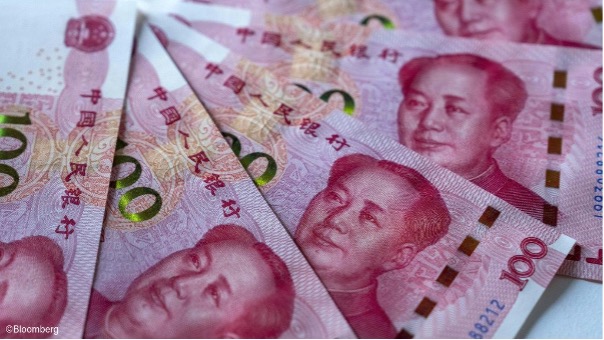
Zambia has become the first African nation to allow Chinese mining companies to pay taxes in yuan—a move that may set a precedent as China aims to internationalize its currency and reduce reliance on the dollar. Announced last month, this step is part of Beijing’s broader effort to boost the yuan’s presence across Africa, where China is already the leading trade partner. Kenya has already switched some of its dollar-denominated debt with China to yuan, and Ethiopia is considering doing the same. The African Export-Import Bank also issued its first panda bond last year.
Tewodros Sile, lead adviser at Africa Practice, remarked that Zambia’s decision could be replicated elsewhere as China works to reshape global financial structures. As more African nations embrace diverse currencies, these actions strengthen China’s influence on the continent and deepen ties with key partners.
Although the yuan represents less than 2% of worldwide reserves, Africa is serving as an important testing ground for China’s ambitions. China, a major lender to several African countries including Zambia and a significant buyer of African commodities, sees mutual benefits in expanding yuan use—especially as the U.S. faces criticism over using the dollar as a tool against rivals and alternatives gain appeal.
Recently, global confidence in the dollar was shaken when President Donald Trump’s Justice Department subpoenaed the Federal Reserve, raising concerns about political meddling and the stability of U.S. assets.

China has not directly pressured African governments to use the yuan, but its international push has accelerated since President Xi Jinping called for a strong currency to advance China’s status as a financial power in early 2024.
Trade growth with China has spurred wider use of the yuan in financing, increasing its share from 2% to around 7% in five years, according to the People’s Bank of China. In its October annual report, the bank promised to help overseas entities raise capital in yuan, leveraging competitive borrowing rates. However, China’s stringent controls still limit global adoption; the yuan’s role as a reserve currency fell to 1.93% between July and September 2025, and its usage in international payments dipped to 2.94% last November.
Kean Fan Lim of Newcastle University noted that African countries’ greater use of renminbi signals increased reach, but its limited convertibility means it mostly operates as a trading currency. As more nations adopt it, they become more integrated into China’s economic sphere.
Jito Kayumba, adviser to Zambia’s president Hakainde Hichilema, emphasized that using the yuan can protect the country from unpredictable U.S. policies. He commented, “We obviously value the dollar—it’s the reserve currency. But high demand increases our own currency risks.”