Table of Contents
Actionable Conveyor Maintenance for Quarries and Mines
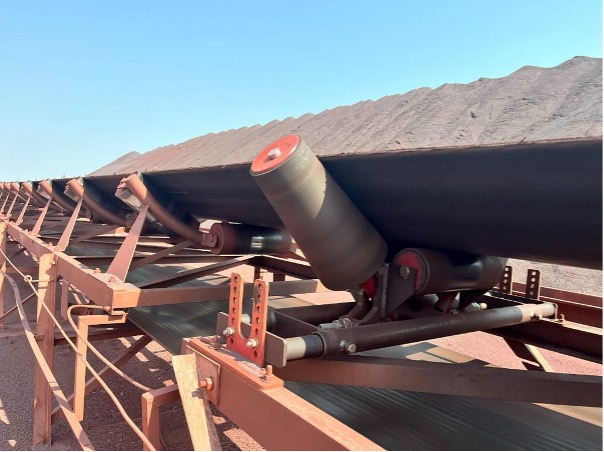
Lost production is one of the most significant direct costs facing quarry and mine operators when a conveyor system fails. Common issues—such as belt misalignment, material carryback, and rip events—can quickly halt operations and escalate costs. Drawing from decades of field experience, Tru-Trac’s Douglas van der Westhuizen and Guy Fitt emphasise that implementing specific, scheduled maintenance steps is key to keeping conveyors at peak performance.
Practical Conveyor Maintenance Checklist
- Daily/Shift Inspection:
- Visually check belt alignment and tracking throughout the conveyor’s length.
- Inspect for signs of spillage, carryback, and excess dust at transfer points and along the return side.
- Listen for unusual noises from rollers, pulleys, and bearings.
- Weekly Tasks:
- Verify that pulleys, idlers, and take-ups are square with the frame and level.
- Check belt tension and adjust as needed.
- Clean build-up from scrapers, rollers, and pulleys.
- Monthly Maintenance:
- Conduct a full structural inspection for frame damage, corrosion, or loose components.
- Lubricate bearings and moving parts according to manufacturer guidelines.
- Review conveyor motor and control system performance for any irregularities.
- Annual Review:
- Audit maintenance records and downtime incidents to identify recurring issues.
- Train staff on updated maintenance protocols and safety procedures.

Case Study: Reducing Downtime through Continuous Inspection
A South African quarry reported frequent unscheduled downtime caused by belt misalignment and material carryback, resulting in lost production and higher labour costs. After implementing a continuous inspection regime—where maintenance staff performed daily alignment checks and weekly cleanings—the site saw downtime reduced by 40% over six months. “Continuous inspection is one of the principal methods for ensuring optimal conveyor performance,” says Guy Fitt, National Sales Manager at Tru-Trac. “Minor issues are identified early before escalating into major failures that cause unexpected breakdowns.”
Expert Insights: Common Mistakes and Advanced Tips
- Common Mistake: Neglecting the alignment of supporting structures. “All structural conveyor components—including pulleys, idlers, take-ups, and the supporting frame—must always be properly aligned,” advises Douglas van der Westhuizen. Misalignment often leads to spillage, belt edge damage, and increased power consumption.
- Advanced Tip: Use condition monitoring tools to track vibration and temperature in key components. “Constant condition monitoring of conveyor components is essential for correct belt tracking. Understanding the basic characteristics of different belt tracking components and ensuring they are correctly applied makes a substantial difference,” Van der Westhuizen explains.
- Common Mistake: Overlooking carryback cleanup. Tru-Trac scrapers are designed to combat carryback, keeping belts clean and improving overall productivity. Regular cleaning not only prevents downtime but also extends component life.
- Advanced Tip: Schedule cross-functional team reviews to discuss recurring issues and share best practices. “Continuous improvement comes from proactive collaboration and learning from every incident,” Fitt adds.
Conclusion: Commitment to Continuous Improvement
By following a structured maintenance checklist, adopting continuous inspection, and learning from expert insights, quarry and mine operators can significantly reduce downtime, control costs, and promote a safer working environment. As Van der Westhuizen sums up, “These should be the principal areas of focus when identifying belt tracking problems. All pulleys, snub rollers, troughing and return idlers must be square with the frame, parallel to each other, and level.” Consistent, proactive maintenance is your best defence against costly conveyor failures.