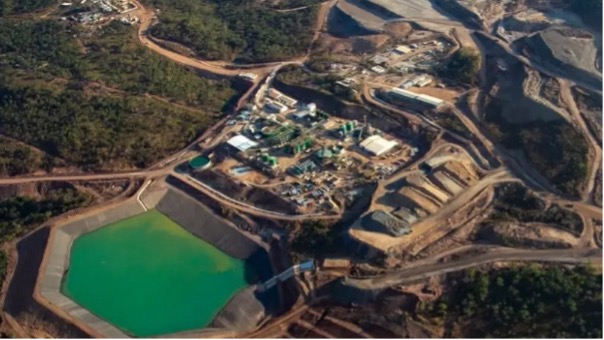
Lotus Resources, a uranium developer, has announced that it is on track to reach “nameplate production”—the designed maximum output level for its Kayelekera mine—during the second quarter of 2026. Nameplate production refers to the mine’s expected capacity, which for Kayelekera is set at around 1.5 million pounds of uranium oxide per year. Despite ongoing supply chain difficulties worldwide, the company has maintained steady progress.
Operational data from late February and March shows Lotus increased output by 20% compared to the previous quarter, supporting its plan to restart the Kayelekera operation. This improvement brings production closer to the mine’s full capacity, demonstrating resilience in challenging conditions.
The recent conflict in the Middle East has heightened concerns about global access to fuel and “reagents”—substances such as sulphuric acid used in processing uranium ore. Lotus reports its main supply chains remain secure, thanks to forward contracting (agreements made ahead of time to lock in supply) and diversified sourcing strategies, which reduce reliance on any single supplier.
Diesel, a key fuel for mining operations, has been secured through to the end of June at prices about 10% below current market rates. Lotus has locked in contracts for roughly 500,000 litres, enough to cover three months of typical usage. No disruptions have been reported by suppliers, and the company is negotiating further contracts for the second half of the year, while closely monitoring price changes.

Reagent supply has also been strengthened. Lotus has built up on-site inventories of sulphuric acid, maintaining a steady pipeline of deliveries. The company currently holds enough acid for 45 days of operation, which is above industry norms. However, it notes ongoing pressure on pricing and “freight” (transportation) costs, and is placing additional orders to reduce “third-party risk”—the potential for supply disruptions caused by external vendors or logistics providers.
Sulphur supply is similarly secured through June, with Lotus’s main suppliers holding inventory in Tanzania. The company has arranged for 600 tonnes of sulphur—enough for its acid plant’s initial commissioning in April. While no immediate supply interruptions are expected, Lotus is reviewing alternative routes and additional storage, including offsite facilities, to ensure production continuity.
These supply chain strategies are increasingly common in the uranium mining industry, as producers worldwide face similar challenges. Geopolitical tensions and logistical disruptions have affected fuel and reagent supplies across the sector, prompting companies to diversify sourcing and build inventories. Lotus’s actions reflect a broader trend of preparedness and risk management among uranium miners.
Kayelekera, a previously operating uranium mine, forms the foundation of Lotus’s strategy to re-establish production. The company continues to engage with suppliers and monitor global developments, aiming to maintain stability as supply chains remain under strain.